Vitamin D Benefits: Why It Matters, Signs of Deficiency & How to Maintain Healthy Levels
Vitamin D Benefits: Why Your Body Needs Vitamin D Every Day
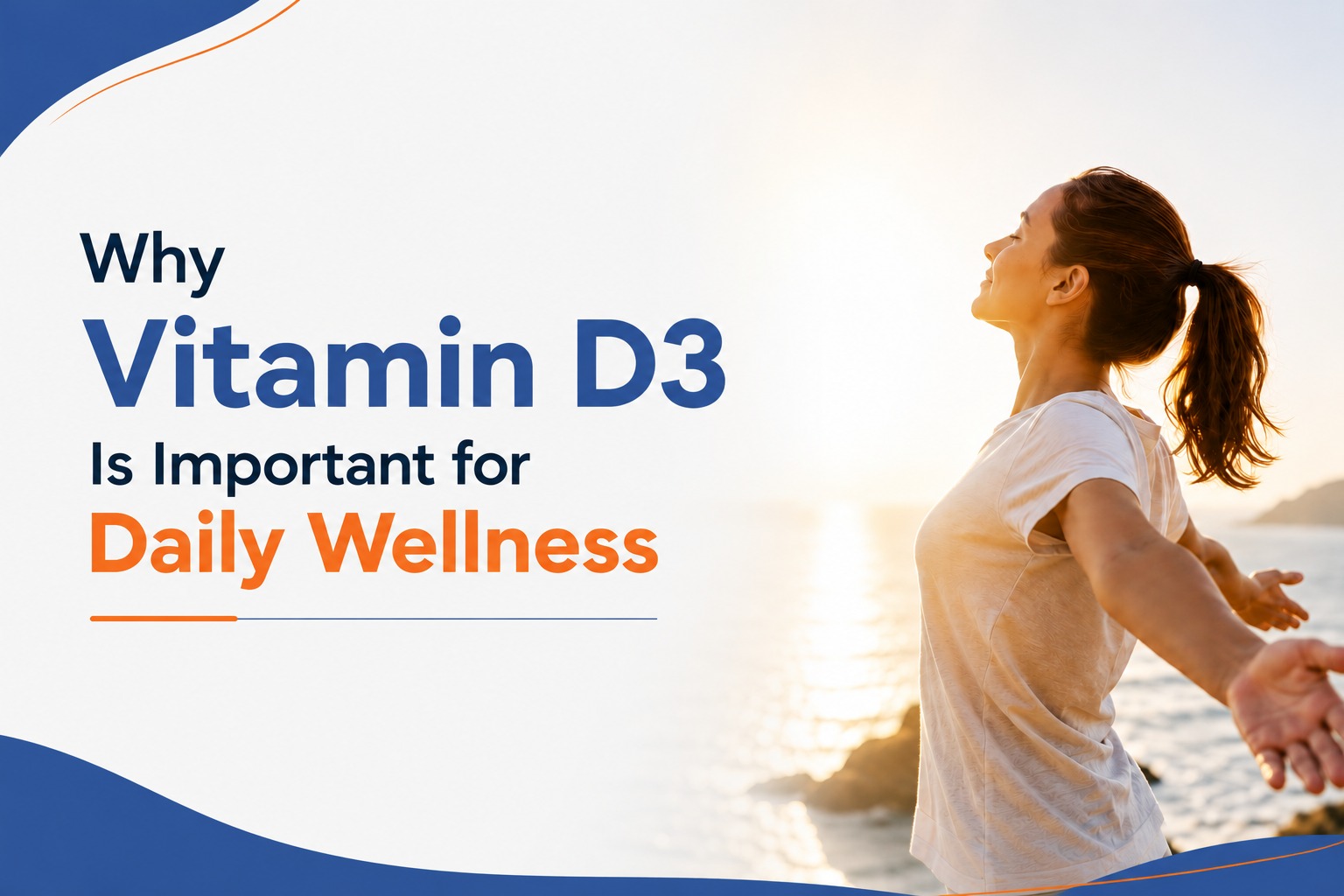
Vitamin D is often called the “sunshine vitamin” because your body produces it when your skin is exposed to sunlight. It is one of the most important nutrients for maintaining strong bones, supporting the immune system, and promoting overall health.
Despite Egypt’s sunny climate, Vitamin D deficiency in Egypt is surprisingly common. Many people spend most of their day indoors, avoid direct sunlight, or don’t consume enough Vitamin D-rich foods.
Understanding the importance of Vitamin D can help you protect your health and prevent long-term complications.
What Is Vitamin D?
Vitamin D is a fat-soluble vitamin that helps your body absorb calcium and phosphorus—two minerals essential for healthy bones and teeth.
Unlike most vitamins, your body can produce Vitamin D naturally through sunlight exposure. However, many people still don’t get enough.
Top Benefits of Vitamin D
1. Supports Strong Bones and Teeth
One of the most well-known Vitamin D benefits is maintaining healthy bones.
Vitamin D helps your body absorb calcium efficiently, reducing the risk of:
- Weak bones
- Bone pain
- Osteoporosis
- Increased fracture risk
Strong bones start with adequate Vitamin D levels.
2. Supports a Healthy Immune System
Vitamin D plays an important role in supporting normal immune function.
Maintaining healthy Vitamin D levels may help your immune system function properly and support your body’s natural defenses.
3. Supports Muscle Strength
Healthy muscles rely on adequate Vitamin D.
People with low Vitamin D levels may experience:
- Muscle weakness
- Reduced physical performance
- Difficulty climbing stairs
- Frequent muscle aches
Maintaining sufficient Vitamin D supports normal muscle function.
4. Contributes to Energy and Well-Being
Although Vitamin D is not an energy vitamin, low levels are commonly associated with:
- Feeling tired
- Low energy
- Reduced motivation
- General fatigue
Correcting a deficiency may help improve overall well-being in individuals with low Vitamin D levels.
5. Supports Healthy Aging
As we age, maintaining healthy Vitamin D levels becomes increasingly important.
Vitamin D helps support:
- Bone health
- Muscle strength
- Mobility
- Overall quality of life
6. Supports Mood and Brain Health
Research suggests that Vitamin D plays a role in normal brain function.
Low Vitamin D levels have been associated with mood changes in some individuals, although many factors can influence mental well-being.
What Causes Vitamin D Deficiency?
Several factors can increase the risk of Vitamin D deficiency.
Common causes include:
- Limited sunlight exposure
- Spending most of the day indoors
- Wearing clothing that covers most of the skin
- Using sunscreen all the time
- Aging
- Obesity
- Darker skin tone
- Low intake of Vitamin D-rich foods
- Certain digestive disorders
Even in sunny countries like Egypt, deficiency remains common.
Healthy Vitamin D Levels: What Is Normal?
Vitamin D is measured using a blood test called 25-Hydroxy Vitamin D (25(OH)D).
The reference ranges are generally the same for adult men and women.
| Vitamin D Level | Blood Level (ng/mL) | Interpretation |
| Severe Deficiency | Less than 10 | Very low level that requires medical evaluation. |
| Deficiency | 10–19 | Low Vitamin D level that may increase the risk of deficiency-related symptoms. |
| Insufficiency | 20–29 | Below the optimal range; lifestyle changes or supplementation may be recommended. |
| Normal / Sufficient | 30–50 | Healthy level for most adults. |
| High | 50–100 | Usually acceptable in some individuals under medical supervision. |
| Potentially Excessive | Above 100 | May increase the risk of Vitamin D toxicity and should be evaluated by a healthcare professional. |
Does Vitamin D Level Differ Between Men and Women?
No. The recommended blood levels are generally the same for healthy adult men and women.
However, certain groups are more likely to develop Vitamin D deficiency, including:
- Older adults
- Pregnant or breastfeeding women
- People who spend little time outdoors
- Individuals with obesity
- People with digestive disorders that affect nutrient absorption
Vitamin D Deficiency Symptoms
Vitamin D deficiency often develops slowly, and symptoms may be mild at first.
Common Vitamin D deficiency symptoms include:
- Constant fatigue
- Muscle weakness
- Bone pain
- Back pain
- Frequent illness
- Low mood
- Slow recovery after exercise
- Difficulty walking or climbing stairs
- Hair thinning (in some individuals)
Some people may have no noticeable symptoms until a blood test reveals low Vitamin D levels.
Who Is at Risk of Vitamin D Deficiency?
Anyone can develop Vitamin D deficiency, but it is more common in:
- Office workers
- Students
- Older adults
- Women who spend little time outdoors
- People with darker skin
- Individuals who avoid sunlight
- People with obesity
- Pregnant and breastfeeding women
- Individuals with digestive disorders
Best Food Sources of Vitamin D
Although sunlight is the primary source, several foods naturally contain Vitamin D.
These include:
- Salmon
- Sardines
- Tuna
- Egg yolks
- Liver
- Fortified milk
- Fortified yogurt
- Fortified cereals
A balanced diet can help support healthy Vitamin D intake.
How Much Sunlight Do You Need?
Short periods of sunlight exposure may help your body produce Vitamin D.
The amount varies depending on:
- Skin tone
- Time of day
- Season
- Clothing
- Sunscreen use
Avoid prolonged sun exposure that could damage your skin.
Should You Take a Vitamin D Supplement?
Some people may benefit from Vitamin D supplements, especially if they have limited sun exposure or a diagnosed deficiency.
A supplement may be helpful for:
- Adults with low Vitamin D levels
- Older adults
- Pregnant women (under medical guidance)
- People who rarely go outdoors
- Individuals with certain medical conditions affecting absorption
Choose a trusted, high-quality supplement and follow the recommended dosage or your healthcare provider’s advice.
How to Maintain Healthy Vitamin D Levels
Simple lifestyle habits can help support healthy Vitamin D levels:
- Spend regular time outdoors.
- Eat Vitamin D-rich foods.
- Stay physically active.
- Maintain a healthy body weight.
- Have your Vitamin D level checked if you’re at risk.
- Use supplements when appropriate.
Final Thoughts
Vitamin D is essential for strong bones, healthy muscles, immune function, and overall wellness. While sunshine is an excellent natural source, many people in Egypt still have low Vitamin D levels due to modern lifestyles and limited sun exposure.
Eating a balanced diet, spending time outdoors, and using a quality Vitamin D supplement when needed can help maintain healthy Vitamin D levels and support long-term health.